

The story of my family history book
See how I created my own family history book and took this hobby project from start to finish.

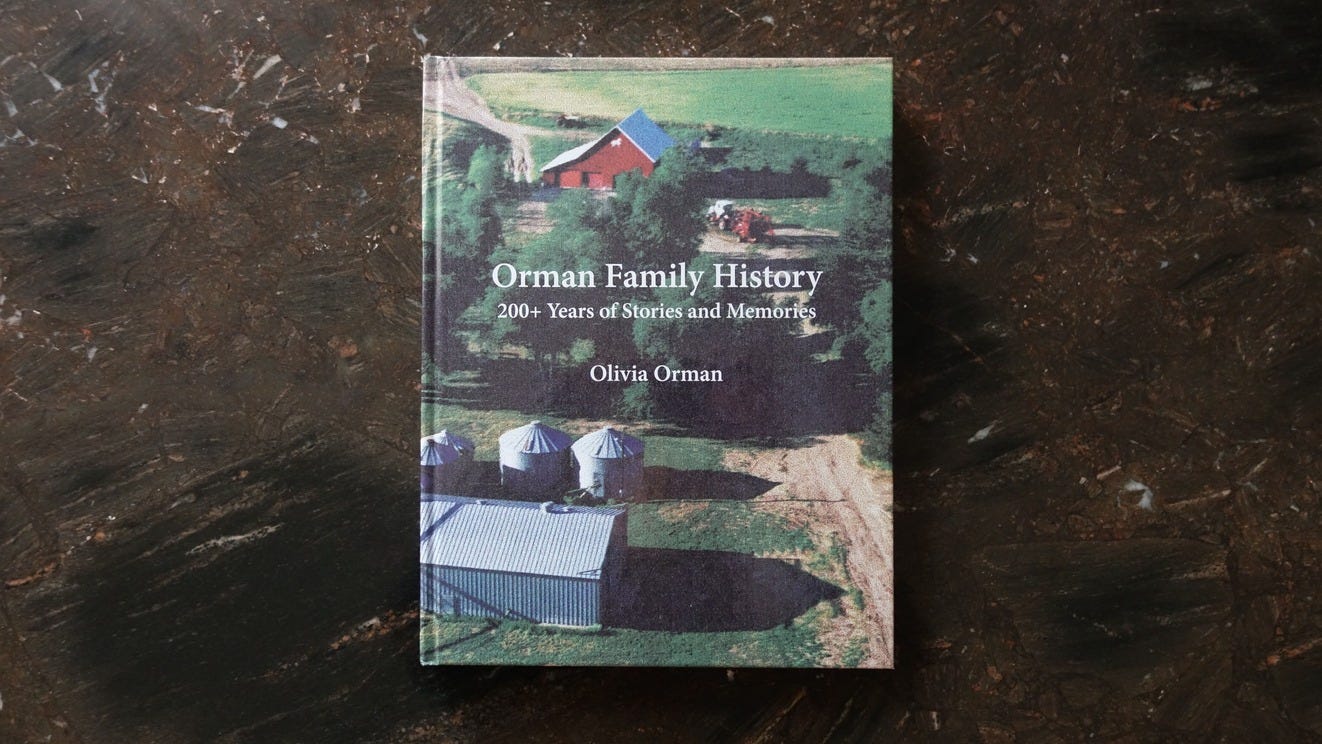
There are many involved hobby projects I’ve embarked on over the years. One of the most rewarding projects I’ve done, though, was creating a family history book. I always knew that I wanted to put together a genealogy book at some point in my life. And I’ve also always had a “if it makes sense to do it now, then why wait?” sort of mentality. So, when it seemed like good enough time to start, I gave myself a head start and really ran with it!
I have never considered myself to be a history buff or genealogy enthusiast. However, this project was important to me for many reasons. One of the most important reasons was preserving the stories my grandpa shared with my sister and I over the years. I knew that if these stories weren’t recorded that they would be lost with my grandparents’ eventual passing, so I wanted to have those documented and put them in the book. Another is that immediate and distant relatives have preserved more than 200 years’ worth of family photos, newspaper clippings, documents, and memorabilia, that it made sense for there to be a more centralized, family heirloom-style book.
With my background in project management and book publishing, along with my strong track record for getting stuff done, I was most confident in my abilities to see this project through. So, I took it upon myself to handle most of the moving parts and coordinate between family members to produce the Orman Family History book.
How I Got Started
The first step I completed for my family history book a couple years prior to actually starting the project. I figured I could begin information gathering here and there when my grandpa gave me family history to look at, but I hadn’t yet established when I’d really start working on the book. I remember visiting my grandparents around November or December 2021 when my grandpa gave me a booklet to read that was written by one of his aunts. She had printed and bound her life story many years ago on about 50-75 sheets of 8.5” x 11” paper. Instead of just silently reading it and giving it back to my grandpa, I read the book out loud and recorded it with one of my voice recorders, which took around 15 hours over three or so days.
I remember the elderly couple I was renting a room from at the time had asked if I was okay because they thought I was on the phone for several hours at a time. I explained that this was just me recording information for a future family history book! For me, it was much better to dictate versus hand type the entire book since I can only tolerate looking at a computer so much. It did take some time a couple years later (when I actually started working on the book) to double check word spellings, name spellings (which I kept a list of so I could give the booklet back to my grandpa), and grammar, but in hindsight, I’m glad I did this the way that I did.
Now onto when and how I officially started my family history book! Fast forward to 2023, a bit prior to May. I was visiting with my grandparents again when my grandpa must have shared a story that made me think of the family history book I wanted to begin at some point. So, I asked him to start making a list of family history, childhood, and life stories that he’d want to include in a book about our family. I then planned to return to my grandparents over Memorial Day weekend and spend the weekend there to start recording those stories.
First Official Steps
By time Memorial Day weekend of 2023 came around, my grandpa had a long list of story topics written on a yellow sheet of paper that he would use as his reference. We would spend an hour or two at a time recording stories, usually in the back patio area of their house reclined in our chairs. It was very interesting to listen to him dictate these stories, many of which I had heard to some extent before, and many others that I had never heard before. Periodically I’d ask a question or two to have him expand on certain details, but other than it, it was just him speaking. We would take breaks by doing other miscellaneous activities around the house or driving somewhere interesting in the area.
Another key component that I put in motion that weekend as well was obtaining the first photos and documents to scan. These I took home with me and scanned at work the next day or two. I also transcribed the audio recordings we had done with Otter.ai and cleaned those up. The big thing with this project (which I already knew would be the case) was that there was a lot that needed to be digitized. I would return to my grandparents for another three-day weekend in another few months to continue recording more audio stories and finding more stuff to scan.
Ramping It Up
Labor Day weekend soon came around, and I was back at my grandparents for the weekend to continue this process. My grandpa and I would sit down for more hour-or-two story sessions, and by the end of that weekend, we had gotten through most of his story list. I’d then continue transcribing the recordings and cleaning those up when I got home as I did before.
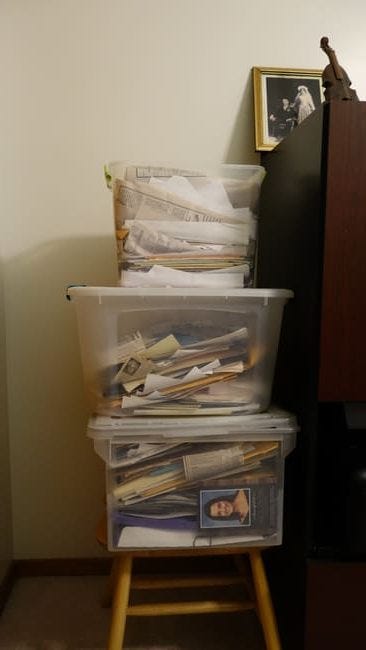
Thanksgiving weekend arrived soon enough, and this time, my grandpa rounded up two large tubs of stuff for me to go through. These tubs included newspaper clippings, documents, photos, cards, calendars, and other miscellaneous stuff they accumulated over the years. So, I sat myself down in their office and went through every last item in those tubs. It was quite simple to category the items by what made sense to include in the book, don’t include in the book, or revisit later; it just took some time.
By time I was finished, there was quite a larger pile of stuff that needed to be scanned. So instead of taking all the loose items home with me, I configured my laptop with their scanner to digitize all the items then and there. I remember spending several hours in their office one day getting this done. There were some other booklets created by family members that would take some time to process, so those I took home with me to digitize at a later date with my own scanner.
Now that I had all these scans on my computer, another important thing I needed to do was to come up with a naming and foldering system for the photos, along with a method for keeping track of which captions go with which photos. So, I came up with a detailed master spreadsheet for this, and spent quite a bit of time cropping photos, renaming photos, entering photo file names into the spreadsheet, writing captions, and determining which captions I needed more information to write.
After these three weekends with my grandpa, there was one more weekend during the winter that I spent with my grandparents. Just prior to that, I remember my grandpa giving me a descendent list book created by another one of his aunts, this one much denser in size. He laughed a bit because he thought I had just seen all the family books at this point. Since the whole book contained family member names and had a particular hierarchy for conveying generations, it would be much more difficult to voice record that, and I certainly didn’t want to spend all that time on the computer typing it out. I recalled that one of my company’s book clients had written their book on a word processor, so I researched word processors to see if that could be a viable option. I ended up buying a second-hand Neo2 word processor from eBay specifically for this task (which is what I now use to write these posts!). The weekend I went to my grandparents in the winter, I spent hours typing that full book out in one day while also giving the descendants list more structure. That day, I also remember spending at least eight hours in their office processing more scans. My grandparents just held onto that much.
Traveling to Nebraska
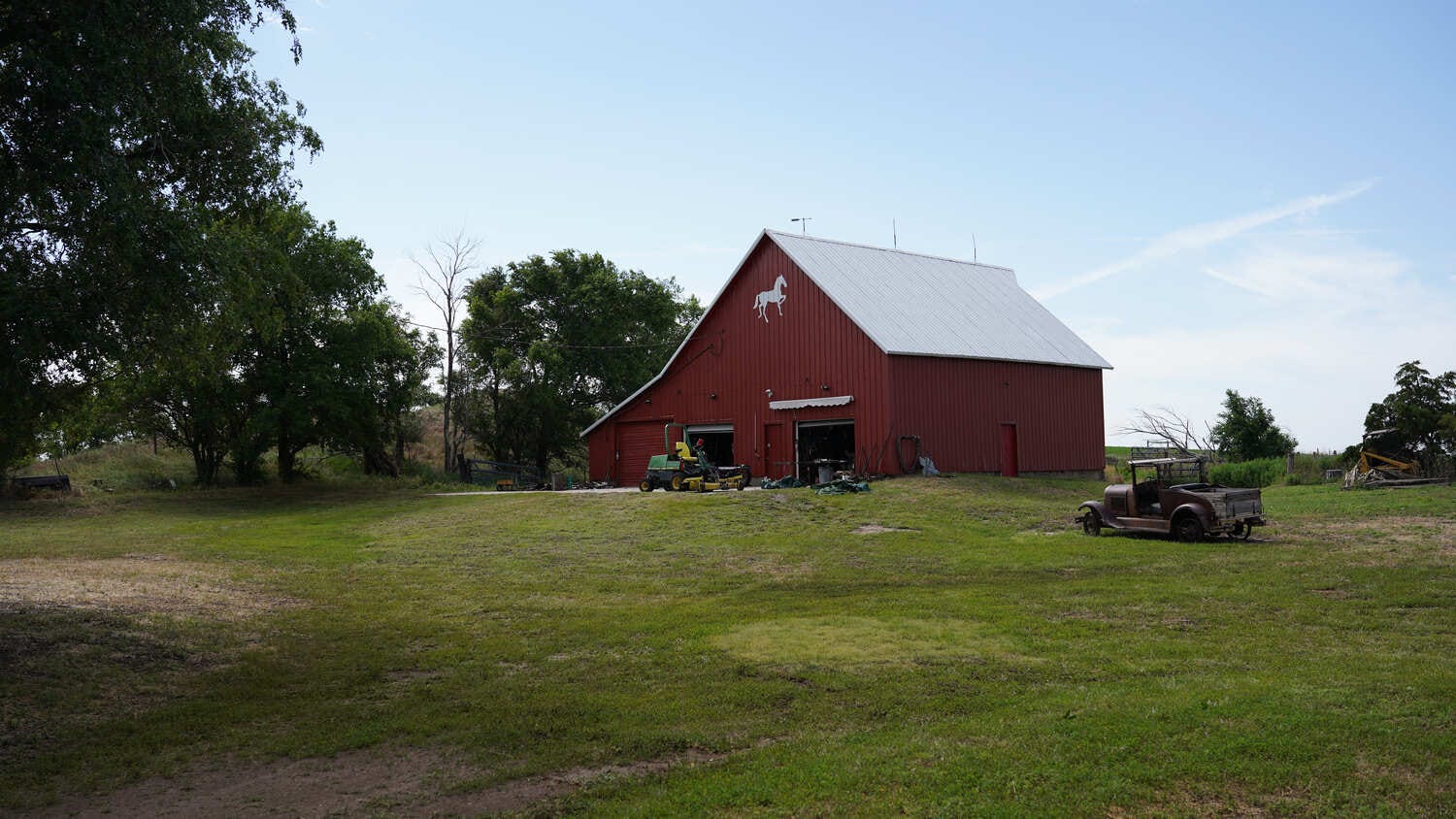
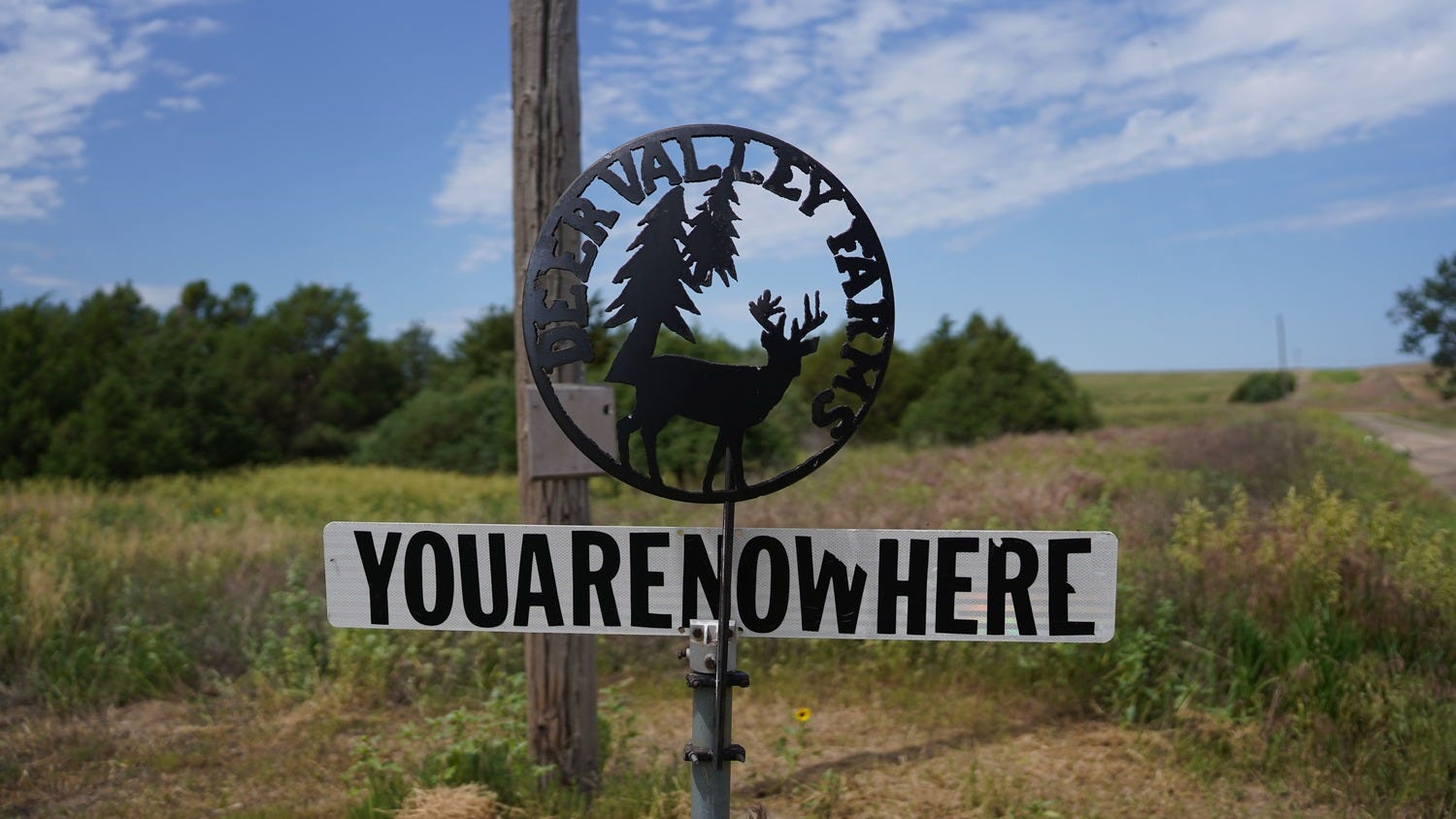
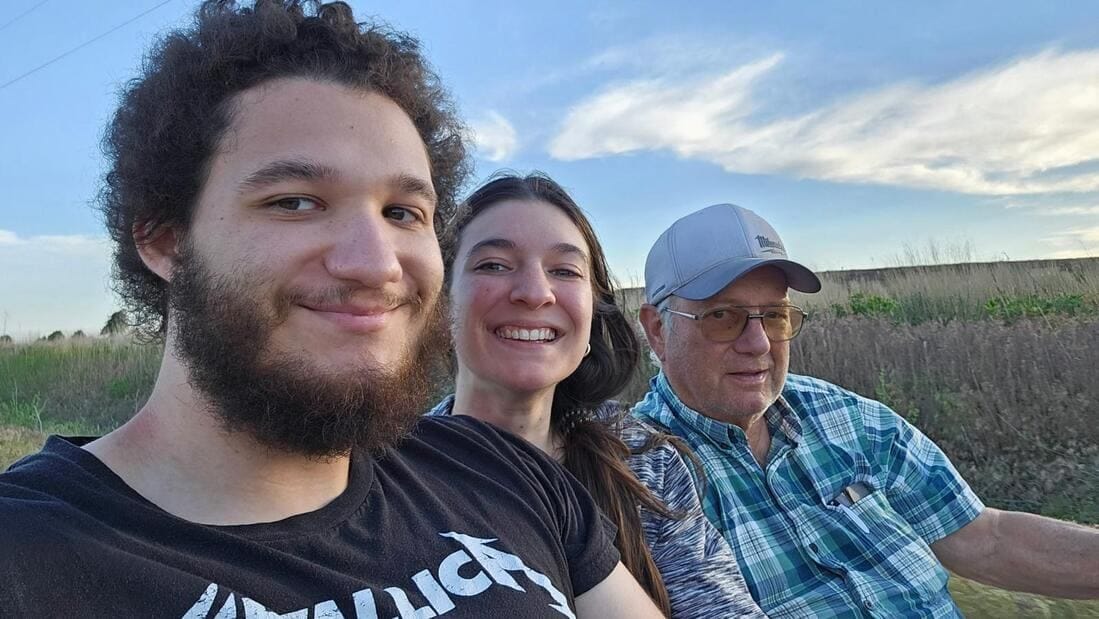
In the coming months, there were some other audio transcripts and scans that I processed, but I had basically processed everything that I could here. What was an entirely different matter, though, was the source material at my grandparents’ Nebraska farmstead. I knew that this was the place that I would find even more material to infuse into the book, so I planned to meet my grandparents up there with my husband in June 2024.
Relevant to the book, my husband was able to take photos of all the historic Orman farmsteads that still stand today, and he took videos of my grandpa in front of those farmsteads sharing some history and stories about them. I was able to find more material to process between my grandparents’ farmstead, my grandpa’s brother’s farmstead, and my grandpa’s sister’s farmstead. I was then able to scan all the photos with the scanner in their farmstead office.
There was a lot my grandpa, my husband, and I did beyond the family history book those four days, including (but not limited to) visiting with family members in the surrounding area, driving through the countryside, target practice, going to a museum at the largest train confluence in the US, and visiting one of Buffalo Bill’s homes. It was a very enjoyable road trip with time well used.
The Next Large Phases
When we returned home, it took me a bit to fully finish processing the Nebraska source material. The next step from there was to contact all my immediate family members to have them contribute a section to the book based on a questionnaire I had sent. Everyone either wrote their own section and sent it back to me, or I conducted recorded interviews that I later edited.
After reviewing and polishing the manuscript I had organized over the last several months, I finally sent it off to one of our company’s editors to review (shoutout to you Rebekah!). This meant the manuscript was out of my hands for a couple or few months. Once that was edited, our company’s graphic designer was so gracious to help me format the text in InDesign so I could focus on inserting all 300+ photos (you’re the real MVP Rosanna!).
I learned up on InDesign as I went since I had never used it before, but I was able to convert the photos to grayscale and CMYK and insert the photos and captions into the layout within a matter of a few days (when you have that many photos and captions, keeping a spreadsheet helps a lot). Once the book was fully formatted, a distant relative who my grandpa connected me with offered to review the book in full and provided valuable feedback for me to implement (shoutout to you Jack!). To really make sure the book was as great as I wanted it to be, I then read the book from back to front, from bottom to top, to isolate and fix any final errors.
Everything so far describes the process for creating the book itself, but there were a few other moving pieces for this family history project at large. One was fundraising for the printing of the book. Jack gave me a list of all the family contact information he had collected at past family reunions, and I reached out to those family members via email to A. see who wanted to order a book(s) and B. cover the printing costs for those who wanted to order. So, I became a bit of an accounting department for a second!
Another moving part was taking my sister’s original large-format paintings of my grandparents’ farmstead to a print shop to digitize those. And around that same time, I also created a finished video tour with the footage my husband took of my grandpa in Nebraska, which is accessible through my Orman Family History web landing page. And another was building out that landing page.
The final important touch was making all the audio recordings I did with my grandpa available to anyone who wants to listen to him tell the story. When I was working on the book itself, I had started that process to insert the corresponding timestamps into each story. So, this was more than just a family history book; it was a full-fledged multimedia project! I am pleased with all that I did, though, as I (and future generations) can appreciate all of it for years to come.
Receiving (and Shipping Off) the Books
After working on this project for over a year and a half, it was very rewarding to see the fruits of my efforts in the final hardback format. To this day, I still wouldn’t change a thing in the book. With having the books in-hand, the next step was preparing the books to ship. This involved generating shipping labels, picking and packing the books, and writing thank you notes for everyone who ordered. I remember staying at work late to bring all the books to the post office on what happened to be one of the coldest days this past January.
Once the books were in the mail system, it was then a matter of monitoring each of the shipments to make sure all of them were delivered. And then, after the time I spent working on my family history book, came the part of relief: bringing this chapter to a close (pun unintended). It is very satisfying when you see something all the way through to the end and archive it at last to move onto your next adventure.
Reflections on This Project
Creating a family history book was such a fulfilling project. There is so much I learned about my family history, and this project made me closer to my grandparents since I spent so much time with them. Though I completed this on a much more expedited timeline than I originally mapped out (mostly to reclaim more bandwidth in my life), I am glad the timing worked out the way it did since my grandparents’ health has started declining in their old age.
As I look back on this experience while writing this post, it made me realize how many memories from it there are to cherish. If you have ever considered writing a genealogy book for your family, my recommendation is to do it. You may find that you also create many memories that last you a lifetime and become more connected with your family’s heritage.
Happy hobbying!
—
View the Orman Family History landing page: ormanhistory.com
Watch the Oman Farmsteads Video Tour: youtu.be/7Q2ToiJnWKs